
A few weeks ago, I had a conversation with a hiring manager whose pool of qualified candidates was shrinking fast. Her exact words: “I don’t need someone who already knows how to do this job. I need someone who can learn to do this job. How do I hire for that?” That sentence stuck with me.
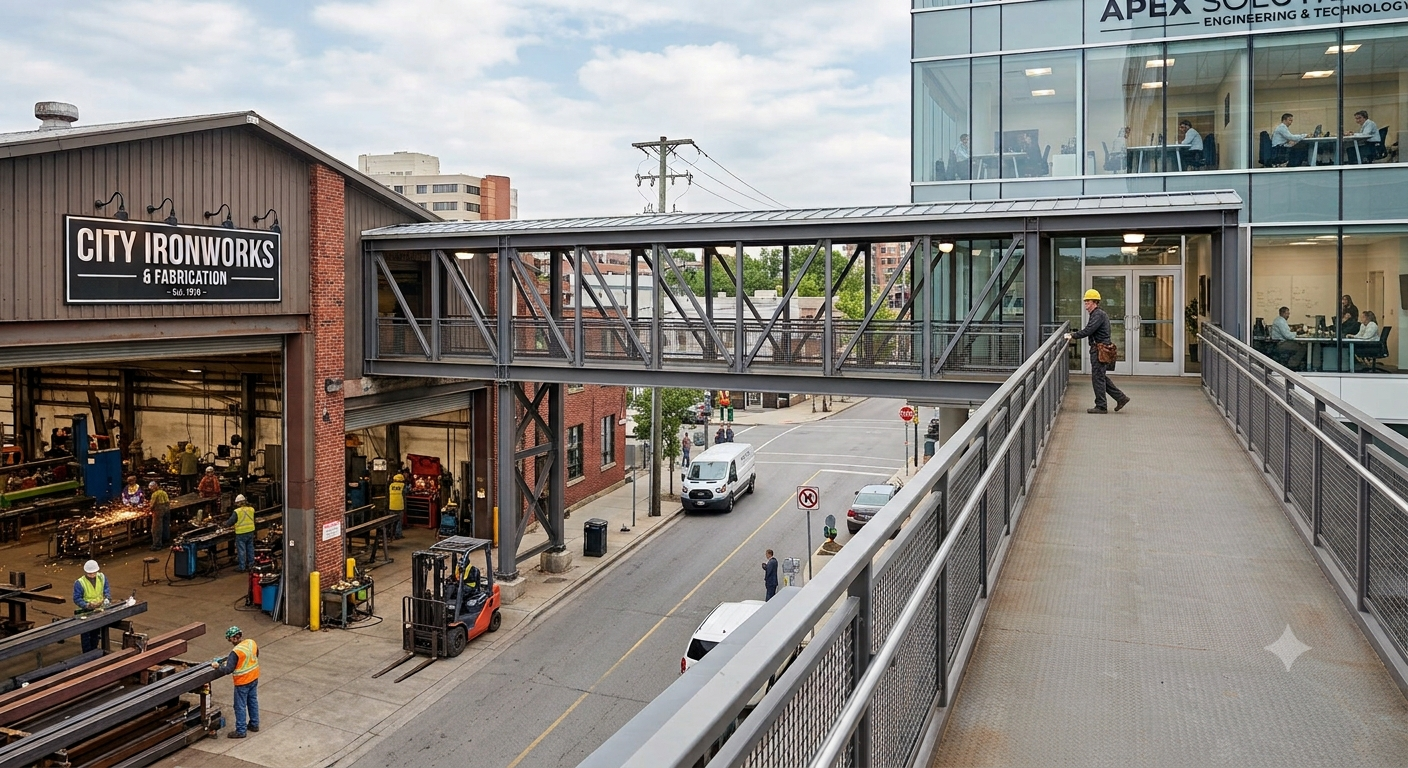
We’ve spent the last two decades building recruiting processes that screen for proof of prior experience — degrees, certifications, years in a nearly identical role. Meanwhile, the skilled trades figured out a better model generations ago: pair a motivated learner with a structured, paid path to competence. No pedigree required. Just aptitude, mentorship, and time.
Corporate recruiting has been slow to catch up. And I think that’s a mistake we should think about fixing.
The Problem With “Proof of Prior Experience” Hiring
Most white-collar job descriptions are really just proxies for “someone else already trained this person, so we don’t have to.” That’s not a hiring strategy. It’s outsourcing your development function to your competitors and hoping the candidate who shows up learned it right.
It also quietly locks out enormous pools of capable people. The person changing careers who’s smart, driven, and has zero direct experience is out. The military veteran whose leadership skills don’t map neatly to a job title has no chance. The person who can’t afford an unpaid internship to break in won’t be considered. None of them show up in your ATS as “qualified,” even though they might be your best long-term hire.
If your hiring process only rewards people who’ve already done the job, you’re not really recruiting. You’re just verifying.
What a Corporate Apprenticeship Model Actually Looks Like
This isn’t about lowering the bar. It’s about changing what you’re measuring.
A real apprenticeship model for white-collar roles means:
- Structured, paid on-ramps into roles like sales development, data analysis, project coordination, or junior product management with defined competency milestones instead of a vague “training period”
- Mentorship built into the job, not bolted on as an afterthought HR program nobody has time for
- Skills-based entry criteria — aptitude assessments, work samples, and structured interviews that predict trainability, not just resume matching
- A clear graduation path with real compensation growth tied to demonstrated competency, not tenure
Companies like IBM and Accenture have run formal apprenticeship programs in tech roles for years, and directionally the data backs it up: apprentice-sourced hires tend to show stronger retention than traditional-degree hires in comparable roles. That’s not a coincidence, it’s just what happens when you hire for trainability and then actually train people.
Building Your Apprenticeship Pipeline
- Think about the bachelor’s degree requirement. What does the person in the role actually need to demonstrate on day one? If you can test for that and a degree doesn’t really provide for that skill, drop the requirement.
- Think about the years of experience requirement. Does it matter more that someone has 3-5 years of experience or what exactly the skills that were practiced during that time?
- Ask yourself why your internship program is your only non-traditional pipeline for talent. Challenge the recruiting team to find out where else a paid, structured apprenticeship could replace a degree requirement.
- And instead of measuring hiring success by how polished a candidate looks on paper, start tracking how well apprentice hires perform at 6, 12, and 24 months compared to traditional hires.
The Early Talent Connection
This model doesn’t have to start from zero. Smart TA teams are already extending their university recruiting infrastructure (training centers, structured onboarding, rotational programs, etc. ) to non-degree populations. If you’re well-versed in onboarding a 22-year-old with a fresh diploma and zero real-world experience, you’ve already built most of what you need to onboard a 32-year-old career-changer with real-world grit and no formal credential. The infrastructure transfers. The candidate pool just gets a lot bigger. (Note: I touch on this subject from a different angle in my article, “ If Your Recruiting is Reactive, Skills Mapping is the Antidote “).
Expensive and Slow?
I hear this objection constantly, and it’s fair. Building a real apprenticeship program takes more upfront investment than posting a req and hoping. But compare that cost to what you’re already paying: extended time-to-fill on reqs no degreed person really wants, turnover from bad hires who looked good on paper but couldn’t actually do the job, and the opportunity cost of a shrinking labor pool that’s only getting more competitive.
You’re not choosing between “cheap and fast” versus “apprenticeship.” You’re choosing between paying now, deliberately, or paying later, chaotically.
Would your organization be willing to hire for trainability over pedigree, even if it meant redesigning your job descriptions, your interview process, and your compensation bands to make it work?
I’d love to hear how you’re thinking about this, especially if you’ve already piloted something like it.
If you’re ready to rethink how your job descriptions and hiring criteria are actually screening candidates and whether they’re screening out your best future employees, let’s talk! Reach out to me directly at estewart@ESTalentSolutions.com.
#ESTalentSolutions #TalentAcquisition #Apprenticeships #SkillsBasedHiring #FutureOfWork



0 Comments
The Regulatory Roadmap, Part 2
January 1 brings new AI hiring rules in Colorado and California, and they all start with one question: which tools in your funnel score, rank, or filter candidates? Most compliance problems in 2027 will start as inventory problems in 2026.
The Regulatory Roadmap, Part 1: Auditing your Automated Sourcing & Screening Tools
January 1 brings new AI hiring rules in Colorado and California, and they all start with one question: which tools in your funnel score, rank, or filter candidates? Most compliance problems in 2027 will start as inventory problems in 2026.
Ageism in the AI Era: Is Your Process Screening Out Your Most Loyal Hires?
Your AI screener doesn’t need to know a candidate’s age. A graduation year and a 25-year work history give it away. Workers over 50 stay roughly three times longer, and the Workday lawsuit shows what screening them out can cost.