
Candidate Ghosting: Why Is This Still Happening?
Ghosting isn’t a one-way problem anymore. Candidates and employers are both going silent, and each side has its reasons. Here’s why, and the process fixes that stop it.
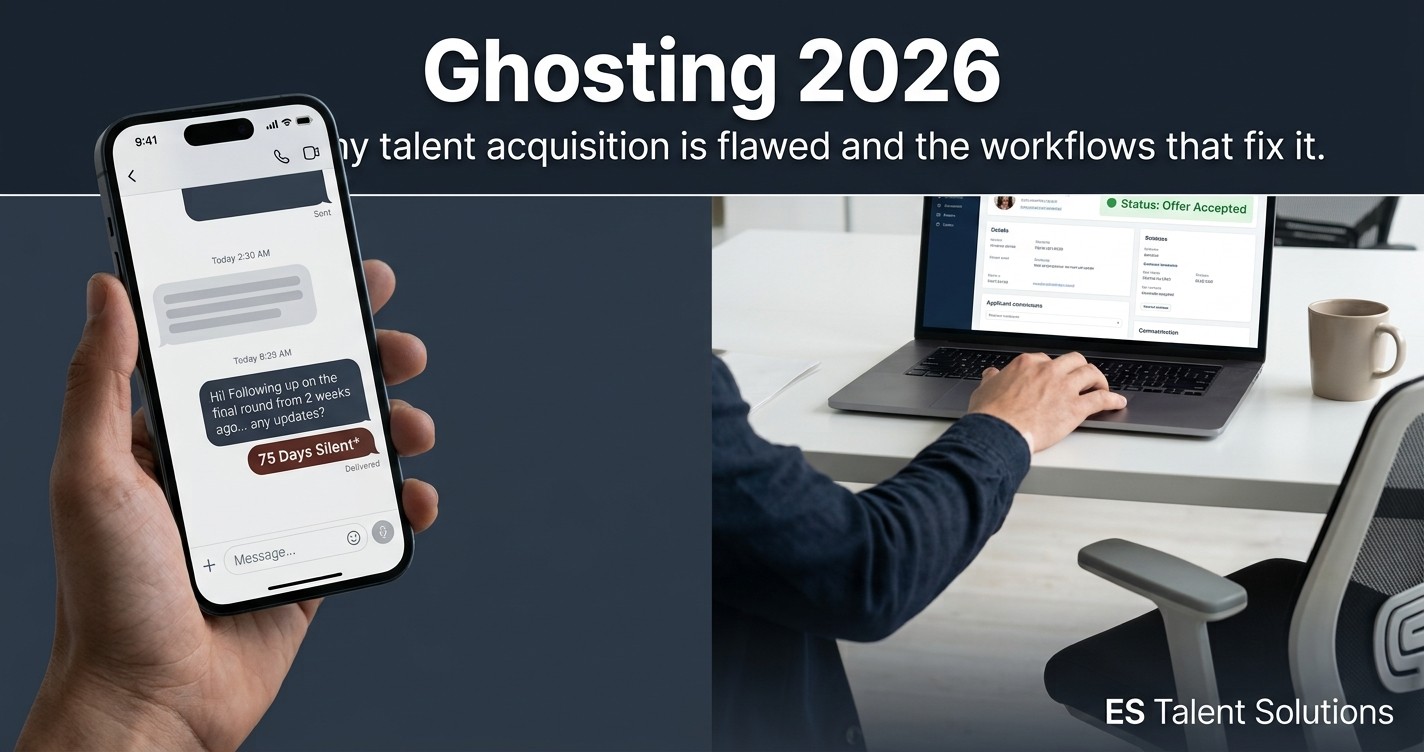
Ghosting isn’t a one-way problem anymore. Candidates and employers are both going silent, and each side has its reasons. Here’s why, and the process fixes that stop it.

Fully on-site roles start about 25% behind hybrid offers in what candidates value. Here’s where the flexibility premium actually applies, and where it doesn’t.
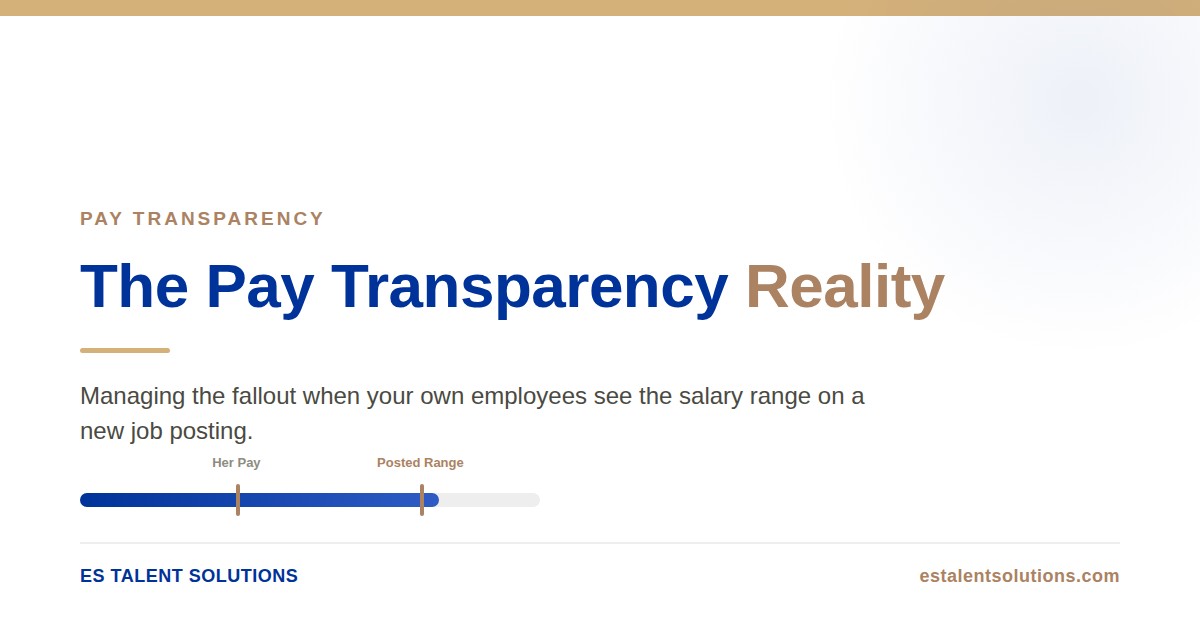
Filling jobs can be a burden in the summer when stakeholders are on vacation. This article lays out a strategy to use this time wisely. Eddie describes how to keep the pipeline warm when hiring managers are away.

Filling jobs can be a burden in the summer when stakeholders are on vacation. This article lays out a strategy to use this time wisely. Eddie describes how to keep the pipeline warm when hiring managers are away.
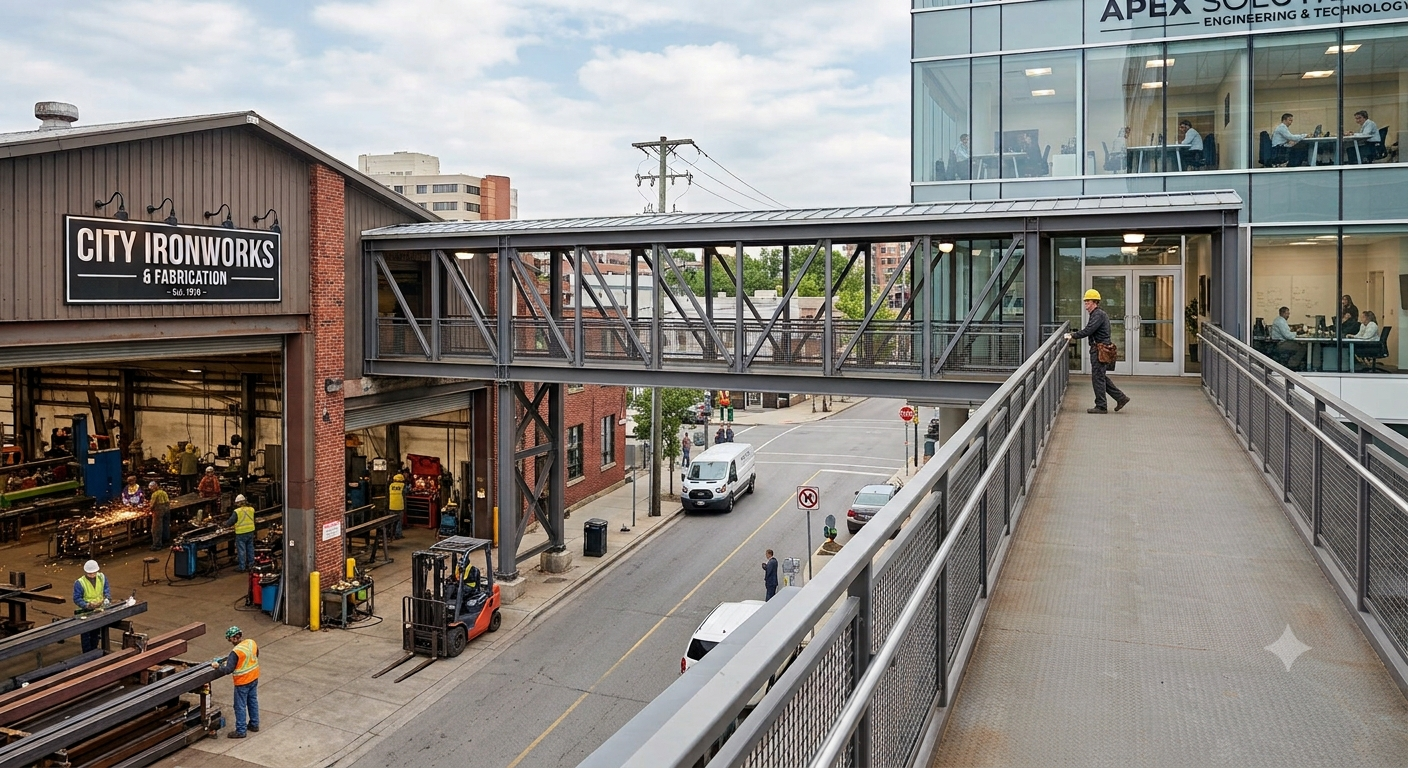
Traditional hiring screens for past experience, but the most resilient talent strategies hire for future potential. In his article, Recruiting Process Architect Eddie Stewart challenges corporate talent acquisition to abandon rigid degree requirements and resume-matching proxies in favor of a white-collar trade school model—combining skills-based entry criteria, paid on-ramps, and structured mentorship. By shifting the focus from verifying credentials to assessing trainability, organizations can unlock overlooked talent pools, reduce turnover, and build a scalable, future-ready workforce.

Companies tend to screen candidates out because they are different when they should be understanding how those differences can be a competitive advantage