Image showing gap between where the workers are and where they are needed
The Demographic Cliff

The Demographic Cliff

The current soft job market is a deceptive illusion masking a permanent, structural labor shortage. Driven by decades of declining birth rates, an aging workforce, and an impending “enrollment cliff,” the U.S. labor force is set to shrink by nearly 6 million workers between 2025 and 2032. While AI-generated spam application floods give employers a false sense of candidate abundance, critical sectors like healthcare and skilled trades face structural deficits that technology cannot fix. Stewart urges talent leaders to stop waiting out market cycles and instead adopt proactive workforce strategies—including internal mobility, phased retirements, broader campus outreach, and alternative talent pools.


Read More

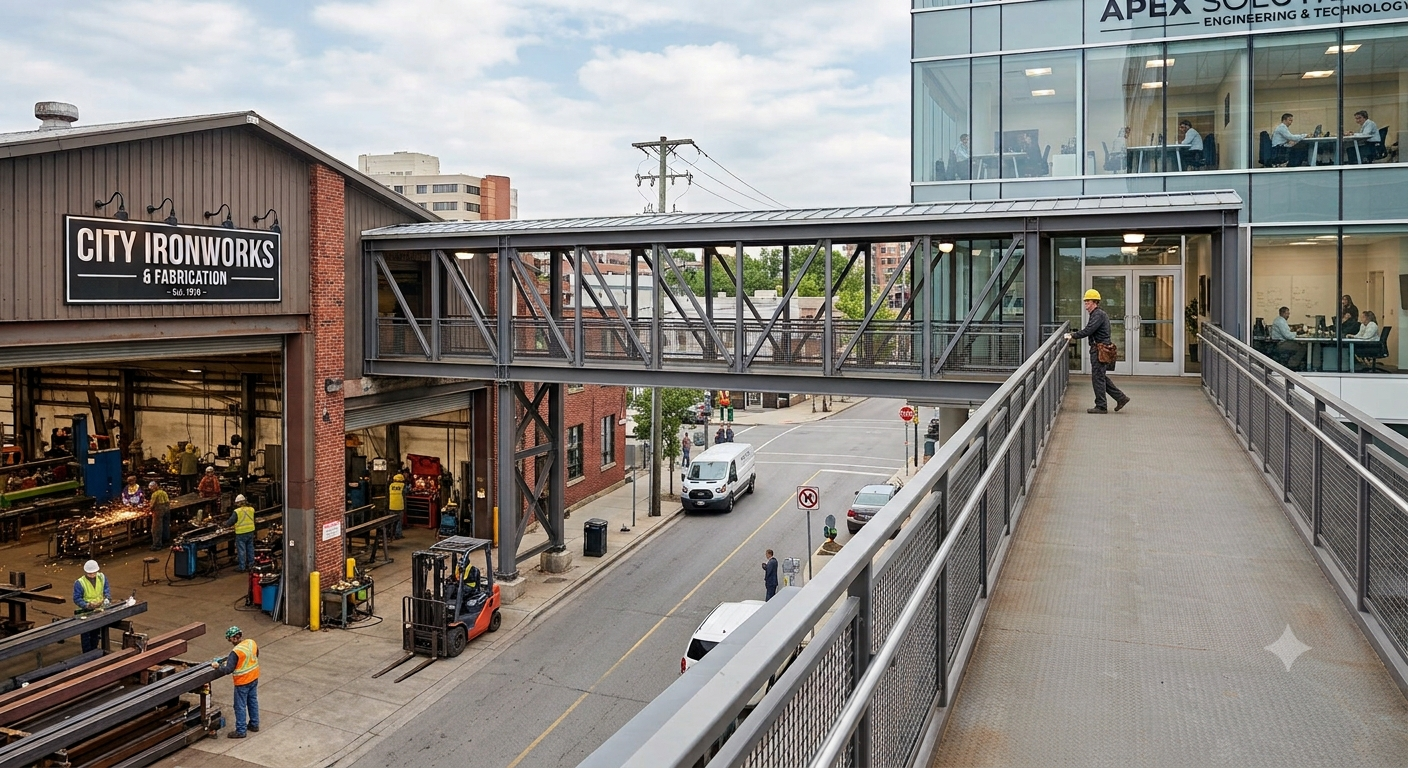
Walkway between a trade skills building and a white collar workers building
Bringing the “Trade School” Model to White-Collar Recruiting

Bringing the “Trade School” Model to White-Collar Recruiting

Traditional hiring screens for past experience, but the most resilient talent strategies hire for future potential. In his article, Recruiting Process Architect Eddie Stewart challenges corporate talent acquisition to abandon rigid degree requirements and resume-matching proxies in favor of a white-collar trade school model—combining skills-based entry criteria, paid on-ramps, and structured mentorship. By shifting the focus from verifying credentials to assessing trainability, organizations can unlock overlooked talent pools, reduce turnover, and build a scalable, future-ready workforce.

Read More