

The People Factor
In earlier posts, I discussed problems with Applicant Tracking Systems (ATS) and certain underlying factors which limit the effectiveness of the ATS. The first article in the series focused on having a well-defined process for the ATS to build upon.

Three Reasons Your ATS is Just Fine (Part 1 of 3)
The second looked at alignment – making sure stakeholders understand the capabilities of the system and are using them most effectively.

Three Reasons Your ATS is Just Fine (Part 2 of 3)
In this final post of the series, let’s look at a crucial piece to ATS productivity – The People Factor.
There are endless corporate mission statements and quotes from leaders that go something along the lines of “People are an organization’s most valuable asset and the key to its success”. Variations of this comment appear often, mainly because it’s true! Yet, there are times where there are disconnects between the company and its people. This happens in recruiting where not enough time is devoted to making sure teams know how to use their ATS. It’s common for new recruiting hires to be directed to a shared file or website for “training” and then “hit the ground running”. Why is this a problem? There is not enough time or resources to customize your training. That’s the reason they hired you, to figure things out. No handholding around here. STOP! “People are an organization’s most valuable asset and the key to its success”. Do those excuses sound like disconnects? They are. And working with systems like an ATS can magnify the problem. The person you just hired because they have previous experience with your ATS may have no idea how it has been customized to your recruiting process and may not know what features are active. I agree that this may not sound like anything that a little time and mentoring can’t fix, but here’s the deal – in such a fast-paced environment as corporate talent acquisition, recruiters are smart enough to figure out how to be functional with any system. But, if recruiters can find better candidates faster while reducing administrative chores by optimally using their ATS, wouldn’t it be worth dedicating training time for them?
Top Applicant Tracking Systems Used by Fortune-500 Companies
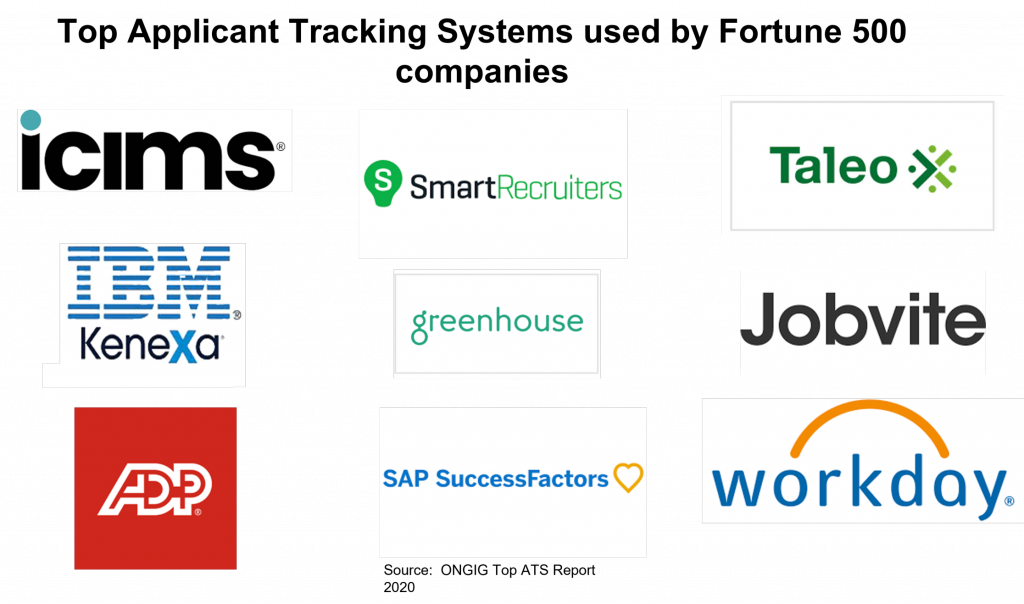
You know the solution here. Ask the team what they would like to improve upon. Look for inefficient activities (Did I really just see them copy the resume from the ATS, save it to a computer folder, then attach and send to the hiring manager???) and design quick trainings. Look at how recruiters are moving candidates through the ATS and conduct “Data Integrity” reviews to make sure they are doing this properly and in a timely manner. This can take time but the rewards are exponential.
Keep in mind, vendors have varying degrees of support provided and many may be able to offer materials and training to help with this. iCIMS, in particular, has a very well-built “iCARE” site with articles, short videos, and other support services to get recruiters up-to-speed quickly. Look for live or recorded training sessions on specific topics and keep the trainings short and to the point.

Remember, the strength of your company’s ATS is in the investments made in process definition, alignment, and user training. It will have a very broad impact, including improved candidate and hiring manager experience, ease and accuracy of reporting, and reduction of time spent on administrative duties, just to name a few.
Share your experiences by commenting on the article or feel free to reach out to me directly (estewart@ESTalentSolutions.com) with any comment/questions.


0 Comments
Onboarding Is the Final Step of Sourcing
Nearly half of all first-year employee departures happen within the first 90 days—and the number one reason isn’t bad orientation or delayed IT setup. It’s the gap between what candidates were promised during the hiring process and the actual day-to-day reality of the role. When recruiting dashboards stop counting at offer acceptance, organizations measure the sale while ignoring the returns. In his latest article, TA Leader and Recruiting Architect Eddie Stewart breaks down why onboarding is the ultimate audit of your sourcing strategy, offering six actionable ways Talent Acquisition teams can bridge the handoff gap, measure 90-day retention, and stop refilling avoidable reqs.
The Demographic Cliff
The current soft job market is a deceptive illusion masking a permanent, structural labor shortage. Driven by decades of declining birth rates, an aging workforce, and an impending “enrollment cliff,” the U.S. labor force is set to shrink by nearly 6 million workers between 2025 and 2032. While AI-generated spam application floods give employers a false sense of candidate abundance, critical sectors like healthcare and skilled trades face structural deficits that technology cannot fix. Stewart urges talent leaders to stop waiting out market cycles and instead adopt proactive workforce strategies—including internal mobility, phased retirements, broader campus outreach, and alternative talent pools.
The Regulatory Roadmap, Part 2
January 1 brings new AI hiring rules in Colorado and California, and they all start with one question: which tools in your funnel score, rank, or filter candidates? Most compliance problems in 2027 will start as inventory problems in 2026.